請輸入想查詢的單字或片語
avoidant
US /ə'vɔɪdənt/
・UK /ə'vɔɪdənt/
A1 初級
othercommon.pos-map.undefined關於或表示以避免親密或社交互動為特徵的一種人格或行為。
he was also anxious, avoidant, and unable to manage conflict
影片字幕
別再假裝正能量:承認吧!你不是真正的快樂!(Forced Positivity on YouTube)

- "A lot of our cultural dialogue is fundamentally avoidant, so people will just say things like, 'just be positive and things will be fine.' 'The tyranny of positivity.' was what a friend of mine called it. She recently died of cancer, and what she meant was if being in remission was just a matter of positive thinking, then all of her friends in her breast cancer support group would be alive today"
「很多存在我們文化中的對話本質上都有逃避性,所以人們會說『保持正面,事情會好轉的』。我一個朋友把這稱為『正能量的壓迫』。她最近因為癌症過世了,她這樣講,是想要表達,假如說只要正面思考就能緩和症狀,那她在所有在乳癌互助聚會的朋友們就都還活著了。」
如果有這 6 個跡象,代表對方可能只是你人生中的過客 (6 Signs It’s Casual Love, Not Someone Who Truly Loves You)

- Avoidant attachment style.
迴避型依戀風格。
- If they're not only a little distant from you, but also from their friends and loved ones too, they likely have an avoidant attachment style.
如果他們不僅對你有點疏遠,而且對朋友和親人也有點疏遠,那麼他們很可能有一種迴避型依戀風格。
合作夥伴超重要!讓影片告訴你要有什麼特質才是對的人!(The one trait to look for in a partner)
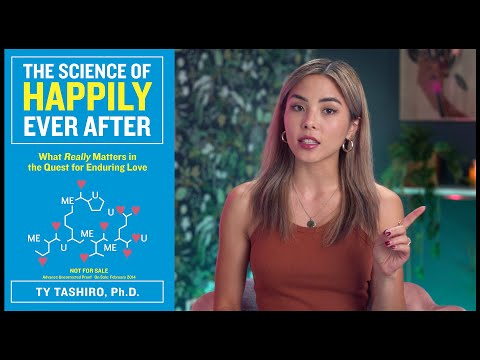
- Are you dating people who are really low on agreeableness or most of them avoidant or anxious.
你是否在和那些認同感真的很低的人約會,或者大多數人都是迴避或焦慮的。
我是西蒙。我建立了自己的頻道。 這是第一個視頻 (Simon here. I made my own channel. Here's the first video)

- Though for many of us, self-actualization is out of reach and we're often stuck at the bottom half of the pyramid, in a kind of scarcity mindset, either with financial insecurity that dictates how we're spending our lives, anxious or avoidant attachment styles that jeopardize our connections, or with self-esteem issues that get in the way of living a fulfilling life. When our thoughts are dominated by our deficiencies, it's almost impossible to see the world and our lives for their potential. Interestingly enough, one of the first big wows that I got from this book is that Maslow never framed his hierarchy of needs as a pyramid, but a marketing company in the 60s reframed it as one, and that image has stuck with us ever since. And that does the list of needs a bit of a disservice, unfortunately, as it's not as helpful as it can be, nor is it true to Maslow's vision. And so Kaufman suggests that instead of using the image of a pyramid for summits, where we're climbing and ascending, where we can start thinking of ourselves as higher or better than others, let's think of these needs instead as making up the parts of a sailboat, which is meant for surfing, for experiencing the world. After our base is secure, the next three growth needs of exploration, love, and purpose make up the sail of the boat that we can open up. And then with all six, we can explore the world, we could be generous and loving, we could contribute to society, we could self-actualize, and then ultimately we can transcend the self. And that sounds like a nicer image to me, I think. Each chapter of the book is dedicated to one of the major needs, with the first three chapters being on the deficiency needs, where we tend to have the most suffering, and the next three being on the growth needs, and how they lead to better health and greater life satisfaction. Kaufman starts off each chapter with a story about how
儘管對我們中的許多人來說,自我實現遙不可及,我們常常被困在金字塔的下半部分,處於一種匱乏的心態中,要麼是經濟上的不安全感決定了我們如何度過一生,要麼是焦慮或迴避的依戀方式危害了我們的人際關係,要麼是自尊問題阻礙了我們過上充實的生活。當我們的思想被自己的缺陷所支配時,我們幾乎不可能看到世界和生活的潛力。有趣的是,這本書最先讓我驚歎的一點是,馬斯洛從來沒有把他的需求層次結構描繪成一個金字塔,但60年代的一家營銷公司卻把它重新塑造成了一個金字塔,而這個形象也一直伴隨著我們。不幸的是,這對需求清單有點不利,因為它
懂得黃金關係比例,就能擁有一份美妙的關係 (The Golden Relationship Ratio)

- And obviously this does not mean like be conflict-avoidant or be fake or self-betrayed just to make sure you're having a positive interaction on the surface.
而很顯然地,這並不意味著為了確保讓關係表面上有正面互動,而要回避衝突,假惺惺或自我背叛。

寶貝我們需要談談... 過情人節真的能讓情侶感情升溫嗎? (Valentine's Day Is Bad for Relationships (and That's a Good Thing))

- Like, a 2014 study found that people with avoidant attachment were less satisfied with their relationships.
在一個 2014 年的研究發現,逃避型的人通常對於感情較不滿足。
讓你抓狂的迴避型伴侶 (The Avoidant Partner with the Power to Drive You Mad)
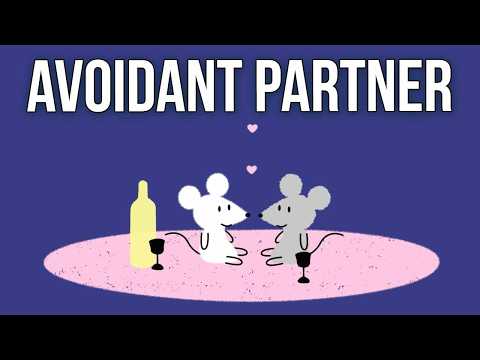
- Once more, they're disengaged or aggressive. On and on it can go. There might be years of this. What on earth is at play? We need to recognise an awkward and very peculiar fact of psychology. There are people who very much want love, until the moment it's actually offered to them. Psychotherapists call these people avoidant. We might just call them tricky or maddening. Something in their pasts means that the realisation of their wishes is more terrifying than delightful and they will therefore take careful steps, unconsciously, to re-establish distance whenever too much proximity is established. Without understanding what they're doing and therefore without admitting to their behaviour or allowing that you may have a point when you hold up a mirror to it, they'll go cold or look elsewhere as soon as they feel that a partner is entirely committed to them. They cannot stand too much niceness or proximity.
再有一次,他們就會脫離或咄咄逼人。這種情況會一直持續下去。這樣的情況可能會持續好幾年。到底是什麼在起作用?我們需要認識到一個尷尬而又非常奇特的心理學事實。有些人非常渴望愛情,直到愛情真正降臨的那一刻。心理治療師稱這些人為迴避者。我們也可以稱他們為 "棘手 "或 "令人抓狂"。他們過去的某些經歷意味著,實現他們的願望比實現他們的願望更令人恐懼,是以他們會不自覺地採取謹慎的措施,一旦建立了過多的親密關係,他們就會重新建立距離。他們不明白自己在做什麼,是以不承認自己的行為,也不允許你拿鏡子照一照自己的行為,一旦
你是哪一種依附型戀人?生人勿近還是黏踢踢?(Which Relationship Type are You?)

- This is Jane. Jane's the avoidant type.
第二位是 Jane,Jane 屬於逃避型依附人格。
- Jane grew up with a family that was distant, either physically, emotionally, or both. In some cases, the families of the avoidant types can also be abusive.
Jane 來自一個身、心靈都比較冷漠的家庭。某些情況下,一些充滿暴力的家庭也可能養出逃避型依附人格。
我們為什麼會害怕與人變得親密? (The Challenge of Being Close)
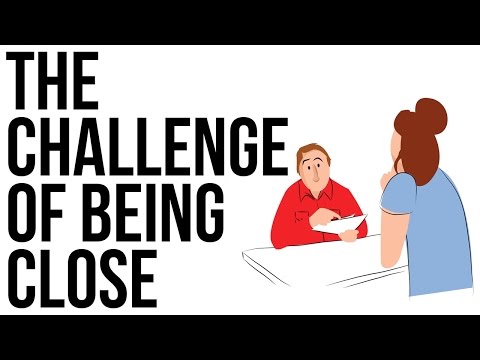
- Firstly, we can get distant or what psychotherapist call avoidant.
首先我們會變得疏離,或是用心靈諮商師的術語「迴避」,我們想要