obligations
US /ɒblɪ'ɡeɪʃnz/
・UK /ɒblɪ'ɡeɪʃnz/
B2 中高級
n. pl.名詞 (複數)責任;義務
Their obligations as soldiers took them away from their family
影片字幕
「無限休假制度」真的好嗎?背後的真相究竟為何?! (The Truth Behind ‘Unlimited’ Vacation Plans)
04:05
- I don't think employees understand that, that basically by telling you, we're moving to this new model of dumping their obligations to you under the old model,
我不認為員工明白,公司基本上是通過告訴你,我們正在轉向這種新模式,在舊模式下將他們的義務轉嫁給你,而在舊模式下,
- obligations to you under the old model, where you actually kind
在舊的模式下,你實際上有點
跟著BBC學英文在十分鐘內把各種易混淆的用法給搞懂! (BOX SET: English In A Minute 5 – TEN English lessons in 10 minutes!)
08:59
- Both 'must' and 'have to' talk about obligations.
兩者都是用來討論義務。
- However, now, we use 'have to' when we talk about obligations others decide for us.
但現在,當我們談到別人為我們決定的義務時,我們使用 have to。


跟著BBC學英文在十分鐘內學會十種易混淆的用法! (BOX SET: English In A Minute 6 – TEN English lessons in 10 minutes!)
08:57
- Now, 'must' and 'have to' are similar in meaning - they are both used to describe obligations.
現在,「must」和「have to」的意思相似,它們都用於描述義務。
- We still use 'mustn't' to talk about obligations, for example: In the house, I mustn't wear shoes.
我們仍然使用「mustn't」來談論義務,例如:在房子裡,我不能穿鞋。

ZEITGEIST: MOVING FORWARD | 官方發佈 | 2011年版 (ZEITGEIST: MOVING FORWARD | OFFICIAL RELEASE | 2011)
41:26

囚徒的困境解讀。 (The Prisoner's Dilemma Explained)
05:45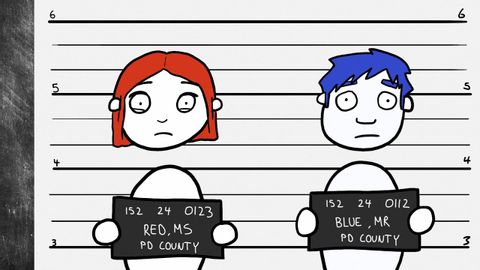
- We are social creatures and even in a one off scenario with no guarantees and obligations
人類是社交型動物,即是在沒有保證、沒有任何義務、沒有任何機會與他人建立關係的單次情境下
- this is with absolutely no communication or obligations.
但記得這機率的先決條件是完全無法溝通、或是責任歸屬