infinitive
US /ɪnˈfɪnɪtɪv/
・UK /ɪnˈfɪnətɪv/
B2 中高級
n.名詞不定式
He used an infinitive in the next sentence
影片字幕
跟著BBC學英文在十分鐘內學會易混淆的各種英文用法! (BOX SET: English In A Minute 6 – TEN English lessons in 10 minutes!) (BOX SET: English In A Minute 7 – TEN English lessons in 10 minutes!)
- Number two: 'remember' plus full infinitive is used when something is to be done in the future.
不定式用於將來要做的事情,例如:I must remember to do
- Its verb pattern is 'remind' plus somebody plus a full infinitive verb,
加上 somebody 加上一個完整的不定式動詞,例如:你必須提醒我做購物清單。
基礎英文文法-找出5個錯誤!:學英文 (Basic English Grammar - Find the 5 mistakes! : Learn English)
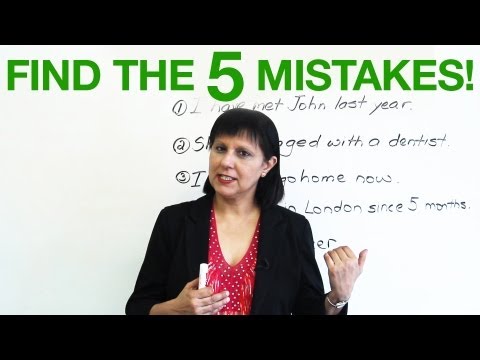
- and not in the infinitive form. We don't need to say "I must to do something." "I must do
而不是用不定式。We don't need to say "I must to do something." "I must do
- So, you should be saying, "I should go home now." "I must go home now." "I could go home now." But with all these modals, if you the verb that follows should be used directly and not in the infinitive form, all right?
這有什麼不對嗎?嗯,有'有幾件事情不對。
跟著BBC學英文十分鐘內上十堂英文課! (BOX SET: English In A Minute 10 – TEN English lessons in 10 minutes!)
- English has something called the infinitive of purpose.
英語有一種叫做目的不定式的東西。
- 'To explain why we do something' is an infinitive of purpose.
「解釋為什麼我們做某事」是目的不定式。
「停下來喝」還是「停止飲酒」?差在哪裡? #shorts (‘stop to drink’ or ‘stop drinking’? What’s the difference? #shorts)
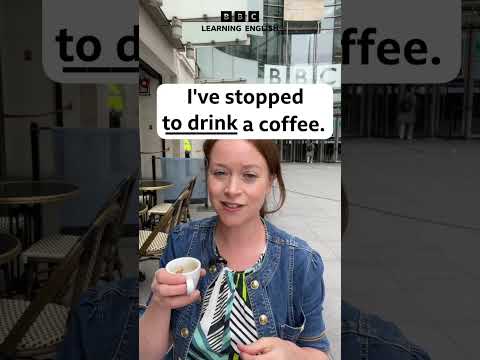
- When we use stop followed by the infinitive, we stop a different action, and
當我們使用 stop 後面接不定詞時,我們停止的是另一個動作,然後
- we start the action in the infinitive.
我們開始不定詞的動作。
基礎英文教學|DO、DOES、DID 的超詳細用法!你絕對不能再用錯! (Basic English – How and when to use DO, DOES, and DID)
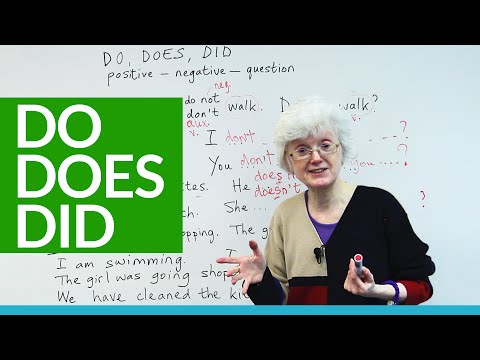
- the main verb from the infinitive "to go". So: "The girl didn't go shopping." Okay? So
從不定詞 "to go" 的主要動詞。所以:「那個女孩沒有去購物。」好的嗎?所以
- the base verb, the main verb from the infinitive: "to go".
這真的可能!C1 (精通級) 英文程度的日常都在做什麼? (YES, it's possible - Daily Routine at C1 (Advanced) Level of English!)
- And non-finite clauses use verbs in their base form, infinitive, or the ING form, the present participle, without specific subject information.
而非定語從句使用動詞的基本形式不定式或ING 形式現在分詞,沒有具體的主語資訊。
- And non-finite clauses use verbs in their base form, infinitive, or the -ing form, the present participle, without specific subject information.
現在讓我們來看看本段的另一個結構。
「你喜歡做什麼?」- 英文會話中的動名詞是什麼? (“What do you like doing?” – Gerunds in English Conversation)
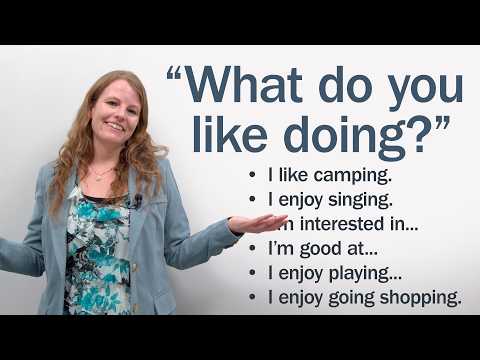
- For other verbs, you might have an infinitive.
對於其他動詞,你可能會用到不定詞。
- For other verbs, you might have an infinitive.
對於其他動詞,你可能會用到不定詞。
Wanna、gonna、gotta 怎麼用才正確?| Native English (How to use wanna, gonna , gotta correctly!| Native English)

- there at the end and of course at the end what do you need the infinitive verb
有在最後,當然,在最後你需要什麼不定式動詞。
- The infinitive verb.
我們已經用了你在一個弱的形式 我們已經用了schwa他們現在會