taking care of
US
・UK
A1 初級
phr. v.片語動詞搞定(某事)
I am taking care of the food for our party
phr. v.片語動詞照顧(某人)
I'm taking care of her baby for the day
v.t./i.動詞 (及物/不及物)照顧
He is taking care of his younger siblings while his parents are at work.
v.t./i.動詞 (及物/不及物)處理
We are taking care of the logistics for the conference.
影片字幕

Pelo Talks - The Ice cream [English Audio] (中文) (Pelo Talks - The Ice cream [English Audio])
05:06![Pelo Talks - The Ice cream [English Audio] (中文) (Pelo Talks - The Ice cream [English Audio])](https://img.youtube.com/vi/47FClIsOoKg/hqdefault.jpg)
- WHAT WHY ARE U TAKING CARE OF THE OWNERS AS?!?!?!?!
什麼?為什麼你都在照顧 管家的屁屁??
這樣的機場廣播我這輩子沒聽過!("Attention All Passengers" - Trevor Noah - (Crazy Normal) LONGER RE-RELEASE)
08:37
- Beautiful sunny day up here, we might encounter a few bumps but nothing to hectic, the cabin crew will be taking care of you.
這裡陽光明媚,我們可能會遇到一些顛簸,但不會很緊張,機艙乘務員會照顧你的。
- I'll will be taking care of you and if you need anything, don't hesitate to call.
我會好好照顧你們的,如果有什麼需要,儘管呼喚。
新加坡天菜級大叔!56歲還有結實腹肌,一起來看他的養生之道!(Chuando Tan (56 years old) - "Start Doing This EVERY DAY!" - The secret of youth and longevity!)
05:01
- By following a balanced diet, regular exercise, good skincare, and taking care of mental and emotional well-being, we can all take steps towards improving our overall health and longevity.
通過遵循均衡的飲食、定期運動、良好的護膚,以及關心心理和情感的福祉,我們都可以朝著改善整體健康和長壽邁出步伐。
- Chuando's story also serves as a reminder that it's never too late to start taking care of our health and well-being.
陳傳多的故事也提醒我們,照顧我們的健康和福祉永遠不嫌晚。
諾羅病毒好發期又來了!跟著影片認識諾羅病毒並了解預防措施(Have You Ever Heard of Norovirus?)
02:37
- so, avoid taking care of others or preparing food for them until at least two days after you start feeling better.
所以在你身體好轉至少兩天前,請避免照顧他們或為他們準備飲食。

第 4 集: 他們水獺般可愛 (Episode 4: They Are Otterly Adorable)
35:22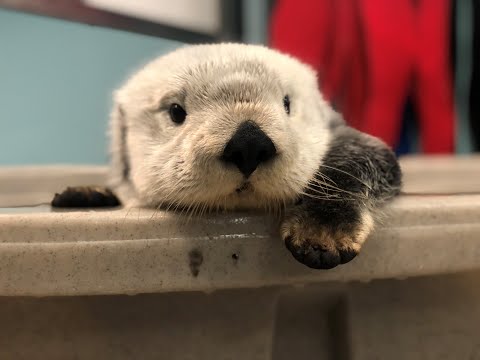
- While we part of that arrangement with Monterey was once we knew they had a pup we we would deploy or send staff out to to be of assistance to that team to make sure that you know the the the burden or the workload of taking care of a sea otter is very significant and and to to to kind of lay that on to that that stranding team there we wouldn't want that effort to kind of detract from the care of the animals that they also have and so we sent a number of staff out there to help with that process.
我們與蒙特雷的部分安排是,一旦我們知道他們有一隻幼崽,我們就會部署或派出工作人員協助該團隊,以確保你知道照顧海獺的負擔或工作量是非常大的,而且我們不希望這種努力影響到他們對動物的照顧。
- The issue that we had at that time was there was not really any more room at the inn for for a lack of a better way of expressing that the Monterey folks work with the the Association of Zoos and Aquariums they have a group that specializes on kind of knowing everything there is to know about sea otters and and which facilities might have space to accept not only space but also expertise to accept very young sea otter pups and when Cruz abandoned was and when Cruz was was recovered there were really no more opportunities to place and so he was when the when the stranding folks get to that situation their their only choice at that point is humane euthanasia if there's not a space in the surrogacy program there's not a space at an accredited facility then the most humane thing to do at that point is to is to put that that pup down unfortunately which makes you know it's it's hard to wrap your mind around that this is a threatened species why could you do that but it's it's it is the most responsible thing to do we had staff out there caring for Bixby at the time and I got a phone call late it's like they just came up there's another young pup it's a male male sea otters are a little bit more they take a little bit more ingenuity I guess and and they're a bit more of a challenge to manage sometimes and so there we have to be careful with the the dynamic that we have in terms of the number of males and females that we would manage here with our with our exhibit but we made the choice at that time that you know this animal was was destined to be put down to be euthanized and you know we had our hands full with with two sea otters that we had that we were taking on already but we made the choice to to extend and do we do we did there and and and save that little sea otter and brought him back with Bixby on a private plane and and it never looked back he's he's an amazing amazing animal that we've learned a lot from well Dennis I'm not gonna lie you know through throughout that story you just told I'm kind of hearing some some Sarah McLaughlin in the background this kind of has that is there that SPCA kind of commercial vibe to it I mean when you think about these animals there they are undeniably probably one of the most adorable species not just here at the aquarium but but on the planet but when you hear about how much that they're going through you know hear about habitat loss when you hear about that how difficult the you know rehab and rehabilitation you know process is for them it's a lot different than like a California sea lion that can go out into a group and basically learn from the group so it seems like these animals have a lot kind of going against them yes but it's really cool to know that there's actually a whole bunch of people ourselves included that care very much about these critters and especially in that story just there when when the alternative was you know the animal not being here anymore that the decision was made to to prolong that animals life and now he's you know a private plane to Atlanta and now live in the suite life here in the cold water quest gallery I mean that's that's very much a positive so so what can our listeners with all of that being said what is one positive impact that our our listeners and our visitors can can have on southern sea otters well what is a you know one or a couple things that can you know kind of help this species out that any any person can can do yeah that's a great question Josh and that's something that's really a powerful message for us when we have these sea otters here in Atlanta they they're viewable visible to millions of guests every year and there are they are as I've said a very powerful conservation kind of case and the message is very simple and it's something that you hear a lot you know everybody has a role to play our goal here is is to inspire people to care about these animals we obviously care about them we want to do everything possible to make sure that these are animals that that that live for generations you know with without impact based on our activities but the honest truth is our activities have an impact on these animals and with the case of the southern sea otter there's a there's a number of things unfortunately these are animals that are succumbing or being exposed more and more to runoff related to agricultural runoff but also curiously they're very susceptible to a parasite called toxoplasmosis if you you might know of it through it's it's one of the reasons that if you're an expect it's one of the reasons that if you're an expectant mother you're not supposed to change or tend to your cat's litter box it's a it's a parasite that is is transmissible through cat feces and so what we're seeing is sea otters are coming up with this toxoplasmosis they're exposed to this toxoplasma and that's that's having an issue on that creates a lot of neurological issues for them they just they're not equipped to handle it and so we're seeing issues with people poorly or improperly disposing of their their pet waste essentially it's creating an issue for them probably related somewhat to just the population of that exists along that same coastline the number of cats number of pets feral or otherwise and and so that's an issue but also marine debris these are animals that are very curious and they they're they're actually one of the few species actually that use tools to to to help their efforts in getting into the hard-shelled invertebrates that they eat they'll go down and bring up a clam but also bring up a rock and smash the clam against the rock but they use other things and they're very curious in their environment and so when they're people are using a lot of single-use plastic bags those tend to unfortunately end up in the ocean and these are animals that there's there's animals that are you know photographed with bags on their head you know essentially not surviving that sort of interaction with with marine debris and so just being careful of what we're utilizing in our day-to-day lives trying to take every effort to use things that are more and are less likely to end up in the ocean and end up being an issue for these animals and the other animals that live in the marine environment so basically if you live in California or are visiting the coast of California just pick up after yourself and pick up after your pet and that can actually make a world of difference to these animals to these animals but but also again everybody has a role to play you know every every stream leads to the ocean and so even though we're hundreds of miles away from the ocean guests or residents of Atlanta have have a role to play too because it's not just a sea otter it's a sea turtle it's it's you know whales that are that are washing up with stomachs full of plus of single-use plastics sea otters or sorry sea turtles that are watching up with straws up there up their nose and things like that so lots of lots of decisions that people have to make in their day-to-day lives but understanding that you know just cutting back helps it makes a big difference right all good very very very good points there so Dennis thank you very much I've learned a way more about these animals than I worked here for almost seven years now and I learned a lot today about these incredible critters so before you go you do as we mentioned in the very beginning you do care for all of the adorable critters here at the aquarium out of all of them all those species and it honestly it might be the sea otter but what is your what's your favorite put me on the spot what is your favorite it's like you don't have a favorite child you know you can't answer yeah but you kind of do you got to do the honest answer is it probably depends on the day I find I just like a child just like a child it depends on what's what's going on you know right right now to be honest with you as a sitting here we have five little pufflings that have been hatched over the last last couple weeks and I'd say I'm kind of infatuated with watching my phone or little nest cams watching these little puffballs grow so quickly so I'm definitely into that sea otters are always a favorite anybody that maybe watched this watch the show or knows me knows that I'm a fan of our harbor seals and Rose our little female specifically is one that always gets me I spend time every day saying hi to her for sure she is adorable she's adorable yeah so didn't really answer your question it's okay nobody really has because everyone everyone's trying to yeah we have a lot of incredible animals here it's really it's really hard to favorite animals I've ever worked with is helping the OV team with with the manta rays behind us here just I mean they're all they're all very very they get to me yeah I mean this is a you know it's this is a very special place and obviously over 17 years you've been a huge part of this aquariums history and you've you know dedicated your life in the past 17 years of your life to to these to these incredible animals while you know having a family of you have your own kids and things like that that you're caring for so you're taking care of actually I just learned that puffling is a word unless you made that up nope that is the actual scientific term baby puff baby puffin a puffin chick is a puffling that's the cutest thing on the planet pretty sure you got that from Harry Potter but that's fine nope so with all of that with 17 years of history at this facility I'm gonna put you on the spot again what's your favorite memory of this place my favorite memory yeah favorite experience favorites just what flooding yeah there was a flood no no just the memories are oh okay good I was gonna say well that would be memorable honestly actually you know some of these transports you know being able to to go out in the field and be able to you know work with these animals and bring them back here and the the planning and all the expertise and just you know just takes a lot to pull that off and being in the role that I am or that that's my responsibility it's it's to see that kind of happen and the animals come here and they make it into the into the into the habitats and seeing them you know thrive is all the memories kind of flood back to those moments so with respect to you know maybe the last sea otter transport was probably one of them and it was you know nice you know to get sea otters to Atlanta from California you have to you know there's a lot that goes into moving them they have to stay cold we've learned that the best way is just to charter a private plane so it's a sounds a little bougie I guess but it is for their own best interest we can get get a sea otter pup here in a couple of hours from the coast of California which is which is what what they need and so the last time when we were moving Gibson and Mara it was a beautiful plane I was I felt kind of bad because we were like moving all these like wet things and chests of ice on this plane that I once we were in the air I learned the charter before us I don't know if I'm allowed to say this or not but it was Bruno Mars was taken to to Hawaii in that same plane so just a little bit uh so it was it was Bruno Mars's plane and it wasn't it wasn't Taylor Swift's no nice because in a previous episode we talked to Andy from the the sea lion team but I remember from all the old footage you were a part of yeah those those guys coming here so as the listeners know I started my career at Georgia Aquarium here in Atlanta with our sea lion team so all the little guys that I cared for when I first started back in 2016 here were all animals that literally you had just brought from California months before yeah yeah we could sit here for a couple hours just talking about animal transports and things like that yeah for sure but yeah Neptune and Jupiter were animals that I brought back I remember seeing Andy at the facility where those animals were being housed at the time he was here so he's in the same footage in a different role but yeah very cool well I mean I think now I think we have a reason for you to come back I think that we could have a part two to talk all about good transports you've done great today so Dennis thank you so much for joining us today and yeah thank you all for listening in we'll see you next time
我們當時遇到的問題是,因為沒有更好的表達方式,蒙特雷人與動物園和水族館協會合作,他們有一個小組,專門負責瞭解有關海獺的一切,以及哪些設施可能有空間接受幼年海獺。當克魯茲被遺棄時 當克魯茲被救回時 真的沒有更多的機會了 所以當擱淺的海獺被救回時 他們唯一的選擇就是人道安樂死如果代孕計劃中沒有空位,認可的設施中也沒有空位,那麼最人道的做法就是將幼崽安樂死,不幸的是,這讓你很難理解,這是一個瀕臨滅絕的物種,你為什麼要這麼做,但這是最負責任的做法。當時我們的工作人員在那裡照顧比克斯比 我很晚才接到一個電話 就好像