請輸入想查詢的單字或片語
    Footer
    Download on the App StoreGet it on Google Play

    關於

    • 認識 VoiceTube
    • 學習服務介紹
    • 加入我們
    • 常見問題
    • 熱門搜尋主題
    • 企業英文培訓
    • 社群推廣分潤計畫

    服務總覽

    • 口說挑戰
    • 單字單句本
    • Hero 智能學習
    • Tutor 真人家教
    • Vclass 名師課程
    • Campus 教育版
    • 字典查詢
    • 匯入影片並生成字幕
    • 部落格

    精選頻道

    影片分級

    • A1 初級
    • A2 初級
    • B1 中級
    • B2 中高級
    • C1 高級
    • C2 高級

    隱私權˙條款˙
    ©2026 VoiceTube Corporation. All rights reserved

    sell-off

    US /ˈsɛlˌɔf,-ˌɑf/

    ・

    UK /ˈselˌɔ:f,-ˌɔf/

    A2 初級
    n.名詞賣光
    a program of sell-offs and acquisitions enabled the group to boost profits by more than 50 percent

    影片字幕
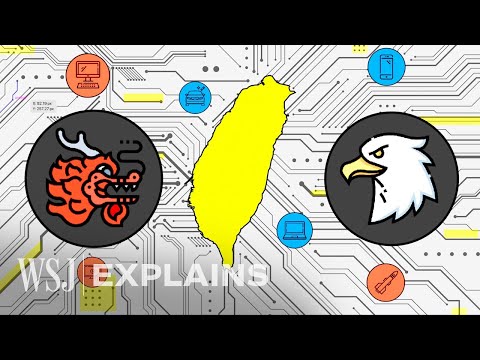
    牽一髮而動全世界經濟!面對中國虎視眈眈爭奪臺灣 AI 晶片,美國該如何防範? (The Race to Secure Taiwan’s AI Chips as Fears of a Chinese Invasion Loom | WSJ)

    07:16牽一髮而動全世界經濟!面對中國虎視眈眈爭奪臺灣 AI 晶片,美國該如何防範? (The Race to Secure Taiwan’s AI Chips as Fears of a Chinese Invasion Loom | WSJ)
    • He later said geopolitics was one of the reasons for the sell-off.

      他後來表示,地緣政治是拋售的原因之一。

    • of the reasons for the sell-off.

      的原因之一。

    B1 中級

    便宜資金的限制 | Authers' Note (The constraints on cheap money | Authers' Note)

    04:34便宜資金的限制 | Authers' Note (The constraints on cheap money | Authers' Note)
    • Why are we seeing a sell-off in a bank that is far too big to fail?

      例如1998年的長期資本經營不善

    • Why are we seeing the sell-off in the bank that is far too big to fail - it's the biggest bank in Germany,

      為什麼這家德國最大的銀行

    B1 中級

    中國人工智能 DeepSeek 令人震驚的進步令美股大跌 (A shocking Chinese AI advancement called DeepSeek is sending US stocks plunging)

    08:49中國人工智能 DeepSeek 令人震驚的進步令美股大跌 (A shocking Chinese AI advancement called DeepSeek is sending US stocks plunging)
    • Yeah, John, we've got a bit of a tech sell-off this morning, and it's being caused by earth-shattering developments in the AI space.

      是的,約翰,今早我們看到了一些科技股的拋售,而這是由人工智能領域驚天動地的發展所引起的。

    B1 中級

    隨便解釋一下比特幣 (Casually Explained: Bitcoin)

    10:38隨便解釋一下比特幣 (Casually Explained: Bitcoin)
    • That is except for one person, a Bitcoin talk forum member from 2013 named GameCubey, who during a huge sell-off titled the thread, I am HODLing, where he went on to say, I type a D that title twice because I knew it was wrong the first time.

      但有一個人除外,他是 2013 年的一位比特幣論壇會員,名叫 GameCubey,在一次大拋售中,他將主題命名為 "I am HODLing",他接著說:"我在標題上打了兩次 D,因為我知道第一次是錯的。

    B1 中級

    貿易戰升級,中國將美國商品關稅提高至 125% | BBC News (China raises tariffs on US goods to 125% as trade war ramps up | BBC News)

    06:45貿易戰升級,中國將美國商品關稅提高至 125% | BBC News (China raises tariffs on US goods to 125% as trade war ramps up | BBC News)
    • So it's not as a sharp sell off that we saw earlier in the week but they have been quite a lot of wild swings in the stock market.

      是以,本週早些時候的拋售並不像我們看到的那樣劇烈,但股市已經出現了不少劇烈波動。

    B1 中級

    保護在行動巴肯斯托普城堡 (Conservation in Action: Baconsthorpe Castle)

    02:08保護在行動巴肯斯托普城堡 (Conservation in Action: Baconsthorpe Castle)
    • They started off as lawyers, but then moved into the wool industry. 200 years later, mounting debts meant they had to sell off bits of the castle, and that started the ruin as we see now.

      他們最初是律師,後來轉入羊毛業。200 年後,由於債務不斷增加,他們不得不賣掉城堡的一些部分,這就是我們現在看到的廢墟的開始。

    B2 中高級

    唐納德-特朗普的 "爆炸性 "全球關稅全面生效 | BBC News (Donald Trump's "explosive" global tariffs takes full effect | BBC News)

    19:02唐納德-特朗普的 "爆炸性 "全球關稅全面生效 | BBC News (Donald Trump's "explosive" global tariffs takes full effect | BBC News)
    • Yes really we're seeing now the full force of those tariffs that it's now a week since Donald Trump first announced his plans the full force of those tariffs around the world with individual countries the worst offenders as the White House has described them now feeling the weight of those tariffs and well you've mentioned China that 104% tariff that's as a result of China not pulling back on its tariffs against the United States in terms of products going to the US and really this is what Donald Trump wanted he's described it as explosive he says you have to shake it up a little bit that might be a little bit of an understatement when you gauge the reaction internationally and increasingly Sally the reaction in this country we're seeing people concerned about everyday products like food like clothing some people are beginning to stockpile those goods in their homes while they can before they expect the prices to rise in the next few days and and quite incredible to see the swift movement on Wall Street in in every direction up and down as as traders can't take their eyes off the screen and you know truth social and and other places where Donald Trump is adding more detail yeah and I think uncertainty is the word because we're seeing those wild fluctuations in Wall Street that often just swing on a few words from the White House or indeed rumors that maybe actually turn out to be wrong but still affect the market so I think strong and so significant are the jitters that the people are feeling at the moment that it doesn't take much to make you know quite significant changes in terms of prices and and the sell-off that we've been seeing okay Peter thank you so much indeed let's talk to Shaima Khalil now who joins us from Tokyo Shaima 24% tariffs for Japan an ally of the US a very important trading partner so many goods head to the United States and it's hoped that Japan could be first in the queue for negotiations yes Japan will get priority tariff negotiations according to the US Secretary Treasury Secretary but what that will look like how that will turn out nobody really knows it's still in that uncertain realm as Peter was was speaking there but I think look there's so many stats and numbers that you can throw at the story but I think here in Tokyo the sentiment is still one of being stunned of being shocked as you say Sally Tokyo is a staunch ally in the region a key economic and security ally of the United States and unlike Beijing this is a friendly relationship Tokyo is a friend Beijing is a foe and yet Japan feels that it has to swallow the bitter pill of the reciprocal tariffs and there's almost a sentiment of how could you do this to us that politically you can you can feel it in the air the Prime Minister Shigeru Ishiba said the whole country has to come together in what he described as a national crisis there is that governmental task force now with thousands of consulting desks and financial institutions fielding calls regarding tariffs but even though the Prime Minister has called for diplomatic composure the fact that Tokyo is still very much in tandem with its relationship and committed to the US economy with a 25% levy on the car industry already in place the danger is real the auto industry represents 20% of Japan's exports that's 17 billion dollars of projected losses if these levies are still in place the tariff diplomacy is in full force there are two major developments in the chaos of the last few days one is that 30-minute phone call between the Prime Minister and Donald Trump on Monday and that tells you that there is an open channel and the second one is the appointment of the economy economic minister you'll say Akazawa as the chief name a tariff negotiator he will be dealing with the US Treasury Secretary look there's so much that Tokyo can bring to the table for five years running Japan has been the US's top top investor there are 54,000 US military personnel here there there's already developing defense agreements between the US and Japan and so the negotiators have a lot to talk about with the United States they will get as you say a front a front seat but it's still a very uphill battle priority boarding as they say when you're getting on a plane Thank You Shima let's go to Jonathan head in Bangkok so Jonathan Thailand is on the worst offenders list as well so what is it facing now the tariffs have come into effect in the last few minutes and I have seen the Thai markets being hit hard by all of this as well as they are across the region Sally I mean the worst affected country or the least terms of the terms of the actual scale of the tariffs in is little Cambodia 49% I mean there is simply no hope that Cambodia can buy as much from the US as it sells that's going to have a devastating effect on its garment industry like other countries in this region the response from Cambodia from Vietnam as well Vietnam US exports to the United States it's the largest destination account for 23% of its entire GDP and Vietnam has very ambitious growth targets for its current economic plans for Thailand it's a bit less about 18% of exports go to the US but Thailand has a flatlining economy and is desperately looking for all possible ways of getting it going these tariffs have come at the worst possible moment now the official response from all the governments in this region is don't panic don't retaliate as China has done negotiate but negotiations I mean you heard from Japan's at the top of the head of the line other you know Thailand's gonna set its finance minister the Vietnamese deputy prime minister's on his way the Malaysian leader Anwar Ibrahim is heading to Washington too I mean who will they meet and we heard from mr. Trump's trade counselor Peter Navarro in interviews given over the last 24 hours that even though these countries have all offered to reduce their tariffs Vietnam said we'll bring our tariffs down to zero he said that won't matter he said the fundamental problem is the imbalance in trade and because these tariffs have been calculated not on the basis of what tariffs are imposed on the US but on how big the trade deficit is all of Southeast Asia pretty much has a trade surplus with the US because these are relatively low-income high exporting countries that's their model they simply cannot buy as much from the US as they export and so it doesn't look at the if mr. Navarro's influence still holds so whether it's actually going to be possible for that for that trade those trade negotiations to actually be able to be successful and Jonathan you mentioned Cambodia and Vietnam as well in particular and I noticed a lot of their governments are saying we're going to buy more US goods we're looking to see what we can purchase from the US to try and reduce the deficit but actually Vietnam Cambodia in particular really benefited from the tariffs that Trump put in place in his first term in office back in 2016 because all the manufacturing was moving out of China to other parts of Southeast Asia and later in this program I'll be talking to a company boss who's in Arkansas who has all these goods made in Vietnam and still those tariffs are much lower than China aren't they so you're still better off getting things made in Vietnam than China yeah but obviously that it's all a tariffs are you going to be worse off than your competitor and I think that's where look Southeast Asian countries are inherently transactional and they are being pragmatic even though inwardly I think they'll be panicking there are going to be big impacts on their on their people's standards of living I mean Peter Navarro claimed that one third of US of Vietnamese exports the US are actually de facto think products but diverted into Vietnam from China that's not actually true the best studies and it's not a statistics not good on this say estimate the perhaps seven to sixteen percent of exports from Vietnam to the US probably are ones that are result of tariffs in China but it has played played a very big role and it means that there's real turbulence for many for supply chains for manufacturers where are they going to go next you know it's like whack-a-mole one country gets hit with tariffs you try and relocate somewhere else it's the unpredictability of course and the very peculiar nature of these tariffs that the Trump administration's come up with which makes it so hard for governments and manufacturers to decide what their long-term plans should be now okay Jonathan thank you very much well let's bring in Mariko Oi who is in our Asia business hub in Singapore watching financial markets so Mariko how are they looking today well Sally I think it's fair to say that we are back on a rollercoaster ride you and I have been watching the stock market reaction since Thursday last week ever since mr. Trump announced those latest tariffs in what the White House calls on Liberation Day and on Thursday and Friday we saw that sell-off and then on Monday we saw a much bigger sharp sell-off especially in Japan and Hong Kong yesterday we saw a bit of a recovery but then once again we are back in the red so basically investors are not liking everything that they're hearing in terms of that escalating tension between the United States and China as Shimer and Jonathan were talking about it various Asian governments are in negotiation with Washington but so far no one has been successful in winning an exemption or getting a deal and that's why we're seeing this sell-off investors and economists have been warning about these tariffs pushing up prices in the United States and possibly pushing the u.s. and even a global economy into a recession and that fear is getting realistic day by day thank you so much Mariko and thank you also to Jonathan head Shimer Khalil and Peter bows as well as we get reaction to these tariffs which have now been in place for nearly 15 minutes on all these countries 60 countries digesting brand-new tariffs let's now focus on China I'm joined by Han Lin who is China country director of the Asia group welcome to BBC News a hundred and four percent is the tariffs now on Chinese goods headed to the United States what's your thoughts on that yeah these tariffs are quite frustrating for the Chinese government not that China has feels unprepared but that the US China trade situation has unraveled so quickly without a clear off-ramp or a channel of communication besides China capitulating which is not likely going to happen but but certainly one thing that's being watched as carefully as this is that I remember late last quarter China had announced that if there was a trade war China would respond firmly it has a more diverse and deeper toolkit to retaliate with and that China has a greater capacity to endear or suffer pain so it looks like this thesis is about to be challenged over the coming weeks and months but certainly one thing we do know which is this if China can export its way to GDP growth it's going to focus more on the domestic economy and when you look at China's sinking stock market there's a lot more pressure to accelerate the fiscal and monetary stimulus that's been announced earlier but but that pivot from being the factory of the world to looking at economic growth fuel by domestic demand is not an easy transition and actually it's something China's been trying to do for a few years now really since the global pandemic so how will it make that shift I mean I'm looking at Goldman Sachs who's now saying the impact on the Chinese economy could be something like four and a half percent this year of a reduction in GDP growth that is a challenge China is trying to deal with because it looks like at least based on the recent purchasing managers index data for March the economy looks like it's stabilizing and that there is still a lot of potential for aggregate demand growth and that things and stimulus such as cutting rates still have yet to happen so there are still potential but that is true China has stuck to its 5% growth target this year that was certainly announced during the recent two sessions and how likely it's going to meet that 5% growth target in a way that people feel safe and comfortable going forward that is still very much an open question okay Han Lin from the Asia Group thank you for giving us your take on the challenges facing China well let's now talk to someone who is glued to the screens a trader who an investor Dan Ives who's the global head of tech research at Wedbush securities Dan how are you doing I mean look I'd tell you 25 years doing this through dot-com bubble burst financial crisis COVID I think this is probably the scariest days that I've seen in my career I must admit Dan I'm going to agree with you on that because I've been working in financial journalism as long as you have I remember the dot-com bubble bursting at the end of the 90s as you say the financial crisis to 2008 COVID this feels more intense and the gyrations are much more severe so why is that because you don't know the rules of the game and ultimately these are things where when you talk about turning around you know once this snowball starts going downhill you can't stop it and I believe as these go into effect the recessions almost guaranteed in the US and I think this is it's an economic Armageddon that's self-inflicted in my opinion it's the worst policy move out of the White House in a hundred years so you are not on board then with the president who says okay I know this is explosive I know this is painful but in the long term America will be the winner we are making America great again America wealthy again is that not what will happen the opposite because I mean someone like myself it's been 25 years in around the supply chain in Asia in China in Taiwan it's a fictional tale that you're gonna make iPhones in the US and the market is not Republican or Democrat it's telling news reality and in news math and that's why stocks are selling off and that's what but this is gonna go down in history unfortunately it's gonna be a dark chapter and I just believe the pressure is gonna continue to mount in DC on Wall Street then negotiations are gonna start because this cannot be at this level it continues to be an absurd situation unfortunately it's consumers that are gonna be paying for it and Dan you've been over the years that I've spoken to you extremely bullish on on Tesla also Apple as well which has been the darling of the market and seen as a solid stock and yet obviously Apple is so exposed to all of this what's your take on those kind of companies that have been massively sold off and in and Tesla in particular and Elon Musk and his role in all of this not that he's involved with tariffs specifically but of course his alignment with President Trump look I think no industry has heard more than these time in US tech it could take US tech sector back a decade at the same point there for the first time in 30 years US has ahead of China well when it comes to tech in my opinion when it comes to AI revolution look I mean longer term our bullish stands for means and we haven't downgraded stock but I'll tell you when it comes to Musk he has to get out of government it's actually not a choice at this point Tesla's become a political symbol it's been a debacle of epic proportions and look clock struck midnight he needs to leave the US government in terms of his role

      唐納德-特朗普(Donald Trump)首次宣佈他的計劃已經一週了,我們現在看到的是這些關稅在全球範圍內的全面威力,正如白宮所描述的那樣,最嚴重的國家現在已經感受到了這些關稅的重量,你也提到了中國,104%的關稅是中國沒有收回對美國產品徵收關稅的結果。這正是唐納德-特朗普所希望的,他將其描述為爆炸性的,他說你必須稍微動搖一下,這可能有點輕描淡寫,當你衡量國際上的反應,以及國內越來越多的反應時,我們看到人們對日常產品,如食品,如服裝,感到擔憂。在預計未來幾天物價上漲之前,人們開始儘可能地在家中囤積這些商品

    B1 中級

    長期債券時代的終結 (The End of the Long Bond Era)

    08:56長期債券時代的終結 (The End of the Long Bond Era)
    • The sell-off in longer-term bonds really shows investors that all of these major governments have a huge fiscal deficit problem and that it's really a ticking time bomb because that's not going to be solved anytime soon.

      長期債券的拋售確實向投資者表明,所有這些主要政府都面臨著巨大的財政赤字問題,這確實是一個定時炸彈,因為它不會很快得到解決。

    B1 中級

    股市動盪後特朗普為關稅辯護 | BBC News (Trump defends tariffs after stock market turmoil | BBC News)

    16:16股市動盪後特朗普為關稅辯護 | BBC News (Trump defends tariffs after stock market turmoil | BBC News)
    • As you said, Japan's Nikkei has finished trading for the day down 7%, and it goes to show how this is a deeper sell-off than what we saw on Thursday and Friday, and that's because investors are growing increasingly concerned about the escalating global trade war and also the impact on the global economy because, of course, it was on Friday evening, our time, Asia time, when Beijing retaliated with that 34% tariffs on all American products entering China, which really escalated that fear of global trade war.

      正如你所說的,日本日經指數當天交易結束時下跌了 7%,這說明這次拋售比我們在週四和週五看到的拋售更為嚴重,這是因為投資者越來越擔心全球貿易戰的升級以及對全球經濟的影響,當然,就在亞洲時間週五晚上,中國政府對所有進入中國的美國產品徵收 34% 的關稅進行了報復,這確實升級了對全球貿易戰的擔憂。

    • That's the reason for the massive sell-off.

      這就是大規模拋售的原因。

    B1 中級

    OpenAI 和 Nvidia 崩潰!AI 保麗龍開始破裂! (OpenAI & Nvidia Collapse as AI Bubble Meltdown Starts)

    10:12OpenAI 和 Nvidia 崩潰!AI 保麗龍開始破裂! (OpenAI & Nvidia Collapse as AI Bubble Meltdown Starts)
    • And if they don't beat analysts expectations suddenly there is going to be massive sell off of their stocks which could actually crash the stock just like it happened with Snapchat.

      如果他們沒有達到分析師的預期,突然就會出現大規模的股票拋售,這可能會讓股價崩盤,就像 Snapchat 一樣。

    B1 中級