loss aversion
US
・UK
B2 中高級
n.名詞損失厭惡
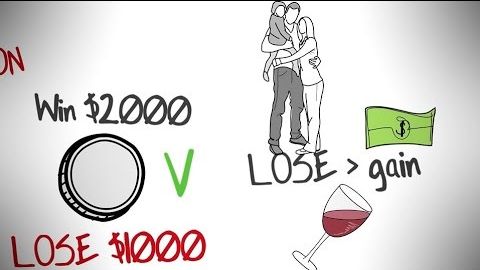
Loss aversion explains why people feel the pain of a loss more strongly than the pleasure of an equivalent gain.
影片字幕
無法分心--如何控制你的注意力和克服分心--本書摘要 (Indistractable - How to Control Your Attention & Overcome Distraction | Book Summary)
13:29
- A price pact is where you put money on the line. This takes advantage of loss aversion,
價格契約就是你把錢放在線上。這就利用了損失規避的優勢。
煩惱該投資什麼?投資前該問自己的五個問題! (5 Questions To Ask Before Investing)
06:02
- "Loss Aversion" is the term psychologists use for our tendency to fear losses more than we enjoy gains.
「損失規避」是一個心理學家用來形容人們總是害怕失去大於享受收穫的詞。
你會接受這個賭注嗎? (Would You Take This Bet?)
07:19
- is known as loss aversion. To avoid risking a loss, people will pass up even very favorable
這就是所謂的「損失趨避」 避開損失的風險,人們往往會錯過即使是非常划算的賭博
Why Do We Go All In on Lost Causes?
04:43
- Other studies have postulated that the sunk cost effect can be explained by loss aversion.
其他研究認為,沉沒成本效應可以用損失規避來解釋。
沉沒成本。關於大多數投資的重大誤解 (Sunk Costs: The Big Misconception About Most Investments)
04:06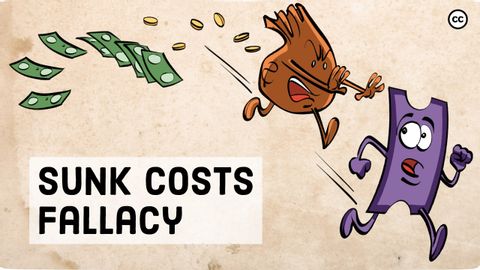
- 1. Loss aversion: people prefer avoiding losses to acquiring equivalent gains — most
1.損失厭惡:人們寧願避免損失也不願獲得同等的收益--最