abs
US
・UK
影片字幕

如何識別 TikTok 保健騙局?- BBC 世界服務播客 "世界上有什麼 (How can you spot a TikTok wellness scam? - What in the World podcast, BBC World Service)

- It's a dramatization of a wellness influencer who lied about having terminal brain cancer and she claimed that she had cured herself through alternative therapies. That got us thinking about the wellness industry. So on this episode we're gonna peer behind the curtain to find out what it's all about. Are terms like self-care and wellness just sexier ways of saying health? And are people using those terms to sell us things that we don't really need? We're gonna find out. Plus we're gonna tell you how you can identify online wellness scams. I'm William Lee Adams and this is What in the World from the BBC World Service. I'm in the studio with Jackie Wakefield. She's a reporter with our global disinformation unit. Jackie hi. Hey. So before we dive into online wellness scams, and there are a lot of them, I'm hoping we can look at the big picture. How big is the global wellness industry? So the global wellness industry is massive. It's bigger than the pharmaceutical industry. It's worth 6.3 trillion dollars worldwide and it's growing year-on-year with more and more people jumping on the trend trying to cash in. So I can picture what the profile of a fitness influencer might look like. Abs for days, spandex, exercise routines. But what does the profile of a wellness influencer look like? It's really tough because I think this changes year-on-year depending on the trends. But I think typically the profile is normally women, normally younger, normally looking quite thin, fit, have some form of aspirational life that followers might want to copy or get part of that magic that they seem to have.
這是一部關於一位健康影響者的電視劇,她謊稱自己患有晚期腦癌,並聲稱自己已經通過替代療法治癒了自己。這引發了我們對健康產業的思考。是以,在本期節目中,我們將窺探幕後的真相,看看它到底是怎麼一回事。自我保健和健康等詞彙是否只是健康的性感代名詞?人們是否在利用這些術語向我們推銷我們並不真正需要的東西?我們將一探究竟。此外,我們還將告訴你如何識別網絡健康騙局。我是威廉-李-亞當斯(William Lee Adams),這裡是英國廣播公司(BBC)世界服務檯的《世界新聞》(What in the World)。現在
- Aussies might know this, was so she was really big when I was in high school, so around 2013-2014. And her thing was eating 40 bananas a day. You say 40 for zero. 40 for zero. And that was pretty much all she ate. She was stunning, she was frugivorian, which is like vegetarian but only eat fruit, abs for days as you said. And I looked at this woman, I was like 40 bananas is a lot, I'm gonna be really full, I like bananas, let's try it. My mum, when I asked to buy 120 bananas at the supermarket, did not love this request. But she bought me 10, fair start. I ate three the next day, never did it again. Mother was mothering.
澳大利亞人可能知道,我上高中的時候,也就是 2013-2014 年左右,她已經非常大了。她每天要吃40根香蕉。你說40換0。40換0她幾乎只吃這個她令人驚歎 她是個節儉主義者 就像你說的 吃素但只吃水果 腹肌會持續好幾天我看著這個女人,覺得40根香蕉太多了,我會吃不飽的,我喜歡吃香蕉,我們試試吧。當我要求在超市買 120 根香蕉時,我媽媽並不喜歡這個要求。但她還是給我買了 10 根,這是個好的開始。第二天我吃了三根,再也沒吃。母親就是母親。
惱人的橘子 - 問橘子#74。問梨!! (The Annoying Orange - Ask Orange #74: Ask Pear!!)

- Oh not grapefruit, calm down, let me explain explain what that you are dating this Argentinian dude who's half your age because he has abs in a sexy accent.
哦,不是柚子,冷靜下來,讓我解釋一下,你在和這個年齡只有你一半大的阿根廷人約會,因為他有腹肌,而且口音性感。
血型有什麼用?- 6分鐘英語 (What’s the point of blood types? - 6 Minute English)
- creative ABs. But woe betide the twenty percent
創意的AB。但禍不單行,那百分之二十的人

復活節彩蛋和背景細節,你從未注意過的標誌性劇集!?| 海綿寶寶 (Easter Eggs & Background Details You Never Noticed From ICONIC Episodes! ? | SpongeBob)

- ♪ and all the customers can kis My abs ♪
和所有的客戶都可以kis 我的abs ?
第 12 章 - 姿勢、動作和表現評估 (Chapter 12 - Posture, Movement, and Performance Assessments)
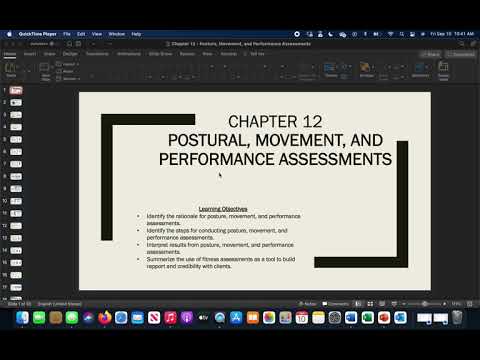
- So the charts here will help us greatly in terms of understanding if you have turnout what's overactive what's under active so we want to pay attention to those as you're going through and studying again pause this if you have your book go through the book chart because this is table 12-5 okay in your book and look at these overactive under actives all right valgus or knees caving in your overactive or your TFL your tensor fascia lata and your adductor complex those are forcing the knees to come in where under active your glutes and your anterior and posterior tibialis are not allowing that knee to stay outward okay so these are just you know again going through for the lateral positioning there's your over actives and your under actives you know hip flexors lumbar extensors what you're gonna notice is that a lot of these like positioning like low back arching you're gonna see a lot of over and under active positions that are very similar to what we saw statically if somebody had that lower cross syndrome okay and then you know going to that lateral view still there's the you know more upper excessive forward trunk and then arms falling forward your overs and your unders there might be some carry over between them you know depending upon what position they're pulling them through so again pause this mark them down look at your book study them so that you know for a test where what you're under and over actives are so you know once we go through and determine our solutions and how we can kind of you know one you know again these are if we know our over actives and we know our under actives again we we stretch our over actives and we strengthen our under actives okay that's the key point here so what we do is if we take care so if we stretch and pay attention more to our hip flexors our calves and then you know just be aware of our rectus abdominis and our external obliques then we know that you know it's tough to stretch your abs but you still can but stretching those will help alleviate that tension that's causing you to pull forward whereas when you start doing strengthening exercises in a corrective format to these three lumbar extensors hamstrings and the glute max you can start pulling that person back into a strengthened positive position so that's just one example of how we can use these solution charts to do that.
是以,這裡的圖表將極大地幫助我們理解,如果你有岔氣,什麼是過度活躍,什麼是活動不足,所以我們要注意這些,因為你正在通過和研究再次暫停這一點,如果你有你的書,去通過書中的圖表,因為這是表12-。5 好的,在你的書中,看看這些過度活躍的肌肉,右膝外翻或膝蓋內陷都是你過度活躍的肌肉,或者是你的TFL,你的筋膜張力和內收肌複合體,這些都是迫使膝蓋內收的肌肉,而你的臀肌和脛骨前、後肌不允許膝蓋保持外展,好的,這些都是你知道的,再次通過橫向定位,有你過度活躍的肌肉,也有你過度活躍的肌肉,你知道的髖屈肌、腰伸肌,你要注
- So we move from the overhead to the single leg squat now the single leg squat is not for everybody but if a person has scored well on the overhead squat or you know if a person lacks balance we might not want to throw this at them we want to just make sure that we put these people in the prime location and the prime positioning so they can do it correctly so if they have a hard time with balance or if they have a hard time getting into that single leg squat position in general then we would avoid this and move on which is the single leg squat it's not optional but it can be it's one of those ones where we'd rather do the overhead squat as the priority versus the single leg squat okay so the single leg squat there's your starting position all right looking at squatting down in a single leg position so this is why balance is really important hands on the hips stable surface again making sure that the other leg is not any more than six inches off the ground you don't have to be too far like you don't have to lift your leg too high it can be just about six inches off the ground and that's gonna then get your squat as deep as possible now you will see a slight bend or a slight angle change but we're more looking about the knee and the lower ankle because that's gonna dictate the the bad positioning per se all right again five repetitions then you switch sides see if there's any difference between them same thing as before shoes off is optimal okay if they can't then so be it so there's the deviation that we were explaining the knees and the ankle are getting a little aggressive on this one here so that's gonna be the common impairment impairment here which we would call again knees flaring in would be knee valgus so you know there's your you know that's the check there's only one really major checkpoint for this and that is from the anterior position and it's the knees bowing in which is knee valgus is it one or the other or is it both okay because we want to make sure we know what and then at that point what we were to do is find our solutions chart find out what's over or under active and then we could go from there and make the right adjustments as needed so again make sure you know your overs and unders you know if from the anterior view you're the reason why the knees are caving in tight you know tight TFLs tight adductors and then you also have you know weak glute maxim medius and weak anterior and posterior tibialis muscles so you know one view only for that so that one again it's it's a little tricky to observe but it's worth observing if the person can handle it so then we move to our pushing assessment which is more like a standing chest press with a with a little bit of a staggered stance okay so again this one is making sure that we see not only scapular you know shoulder blade and total shoulder mechanics but we're also looking at the stability of our our hips we're looking at the stability of our cervical spine and then are also our head for that positioning as well all right so again moving through making sure that they're the all reps are taken care of because you're gonna do again more than one rep if needed so there's their starting position all right now the person's positioning with the you know their hands is just it's you really want to think about it being about chest chest level so this person might be a little bit higher but they could come down just a little bit if they needed to but this is an optimal position for starting they are going to complete the staggered stance positioning for 10 reps now the weight does not have to be challenging it could be just below challenging but we're looking to see that even if the weight is lighter they're still gonna if there's any compensations that they have during these lifts you're gonna see them even at a light to moderate light weight okay so as they push through all right again this person has a nice nice posture we're looking at where the handles are going are they going straight are they going up down etc making sure they're going slow and again five reps then five reps so again if you go back you see ten reps but it's ten reps total five on the right or five on the right foot forward and then five on the left leg forward because that may change up how they their their imbalances show so what we're looking for is a few different things because it's not the same as the overhead squat or the single leg squat because this is more upper body base where we are looking for that rounding back which we saw earlier we are looking for a shoulder elevation now shoulder elevation kind of like you know as they push out they shrug their shoulders that is actually quite common and some people might actually do that because they thought that that was the right way that this exercise should be you know completed and so over years of time even if they are an active exerciser we want them to understand that we can't have the elevated shoulders that's not the purpose of this we want to if we elevate the shoulders we take off that that isolation of the chest okay and then the other part is if the head juts forward okay so those are three indicators pushing assessment nothing from the everything from the lateral and the same things in a carry over to the pulling as well so there's your your checkpoints okay looking for those impairments do we have them or not from there we would say okay what can we do there's our overactives for our low back arch okay hip flexors lumbar extensors then the under actives glute meat glute maximus hamstrings and the abs so again again this carry over from you know the the overhead in the single leg squat you know from some of the things you might see with them there is your again your lateral view for both the elevation of the scapula and the head head forward or head jutting forward positioning so again pay attention to those overactive under actives know them because you may see them come up on your test pulling opposing nature same idea okay same idea same positioning just instead of pushing the weight forward we're gonna be pulling it back the same premise 10 reps you can go a little bit for this one here we want that wide split stance but again it could be narrowed up if they have a little bit of a little bit of a balance issue all right and then just pulling forward just like we would 10 reps slow and controlled 5 on the right leg forward 5 on the left leg forward or vice versa and then we're looking for the same impairments lower back arching scap elevating and forward jutting head similar with the you know the observations on your on your chart or one you might create yes or no and then same thing we're looking at where you they're probably gonna be more than likely the same over and under actives for each one right so but again just pay attention to your over actives and under actives and see where the mechanisms are for that and then we know again what to correct what to stretch and also what to strengthen all right so moving from those again are there there's still static positioning even though there's a dynamic movement there's still we're not going in motion we're staying static but doing a movement so now we're gonna get into the performance assessments which have a lot more of that dynamic appeal they are a lot of them are a lot of common you know motions that a lot of us have done in our lifetime all right so looking at the right side there the push-up test the bench press the squat assessment vertical jumping long or broad jumping the left test which is what we call the lower extremity functional test the 40 yard dash and our pro shuttle all right we'll go through each one of those so your push-up tests very common around a lot of testing facilities very common for you know the army very car you know or any you know service for police firefighting they all work around push-up testing even children in the PE classes okay so there's your positioning all right working on that solid push-up position hands let you know should be slightly outside of the shoulders they should be stacked you know on top of each other elbows and knees fully extended that are neutral and then you're gonna work on moving that down and up the client lowers their body to achieve 90 degrees of elbow flexion all right and then it says you're gonna do it for 60 seconds the main purpose here assessing for upper body muscular endurance okay and then like it says here when's a good time to reassess four to six weeks you know reevaluate your to reevaluate your program and see how it goes the bench press all right bench pressing we know about bench pressing and how it's basically the inverse of the push-up or it's gonna be lying down versus you know on our hands all right so we're gonna be lying down this one here is gonna be more about a one repetition max so we're gonna be assessing maximal strength this one again this is another one that we want to think about do is this really appropriate for our clientele it really can be appropriate for everybody but understand that in this case do we really need to do it for a particular person or could we do it for reps and and find you know so there's a lot of what we want to use it for okay but make sure that we also know that a spotter is going to be required so take a look at the positioning for your starting and then we'll move from there so you know again you can have assistance of unracking the bar okay and that's that's appropriate but then once you you count it off together three two one one two three however you want to do it and however they want to hand it off and then from there they're gonna handle that weight and then they'll re-rack it all right take their warm-up sets accordingly take at least two minutes of rest don't be afraid to go three to five minutes of rest as you move into the heavier weights especially with a more active person and then from there you can make five to ten percent jumps if needed or as you start getting heavier it might be less than five to ten percent jumps but understand that you're really looking at you know really you're looking at three attempts that we're looking for there okay so very very important for that definitely looking at trying to you know again looking for that maximal strength squat strength is the same premise as the bench press same thing except now we're getting into the proper positioning of you know where should that person be in in terms of where's their line of pull you know and on their muscles are they engaged the correct way in terms of you know where is it that they're going through you know through the range of motion and are they hitting that depth that we need to because we want to think that in terms of depth we really want to think about how again femurs parallel female femurs parallel or lower okay 90 degrees of hip is optimal for most people but if some people can go lower than that that is you know and it's and they're maintaining their posture I am NOT opposed to them going lower especially if they are doing it for specific reasonings okay so that's really critical for that now when we look at you know the squat itself we really want to think about how the barbell sits depending upon what kind of really the barbell wants to sit on those upper traps we want to think about bringing the elbows back slightly to create that little shelf for the barbell okay and then from there we want to think release the hips and the knees almost simultaneously but it's never the knees first okay more of an upright chest not you don't want to have an exaggerated lean forward all right so we want to be always neutral with low back okay trying to maintain optimal foot positioning that will translate into optimal knee positioning and that will really make it so that we go to the right motion so again you can help a person come off the rack but really it's safer for them to do it themselves all right go ahead and do your assessment you know and do your reps and then go ahead and take your rest as needed and then you can add load as needed they say 10 to 20% of the initial load all right and then go from there to add accordingly because again it may not be in 10 to 20% increments as you start getting super heavy three attempts you know to try to get the maximum amount of weight you can all right and then from there you can go into like it says there you can go into what they call the appendix a and calculate that person's one rep max if you were to do a three rep assessment but if you have a person trying to achieve a one rep max whatever they get is their max strength so vertical jump using what we this is actually a vertex device all right it's with the little little bars here that you're trying to hit so again that person is going to set up underneath what you will do is you will set up that person to their standing height okay so what you do is you have them stand tall you have them extend one arm up in the air without overextending and not lifting all right and then from there what you do is you would drop the vertex down to the bottom bar would touch their top of their finger at that point they would have to jump up as you know squat down jump up as high as they can and swap their hand to hit those bars at the highest level now if a person is say working with an athlete who you know has a very high vertical jump or you're working with like a powerlifter or an Olympic weightlifter and we know that they're gonna be able to go because go above 24 inches because that's the max that you can get on those bars then we can adjust this standing height here by adding things like from where they're standing height is adding 12 inches that because this little pole here that comes up and down that you adjust actually has indicator lines of inches that you can do okay so that's where we want to be able to take us through go and pressing forward with that okay and then they squat down slightly and then jump up as hard as they can explode up off the ground and then like I said squat squatting pressing through and swiping their arm to get the highest height reach that they can the long jump on the is going out versus up same premise explosiveness horizontal this is horizontal power where the vertical jump is vertical power okay that very big on performance indicators so same thing here like it says they want to use a tape measure and what you want to do is be able to you know have your line marked where they're gonna jump from that person starts behind the line gets it to that slightly squatted position it's a two it's a two foot jump and a two foot land so however far they need to squat down you don't want to you know you want to be explosive so you don't want to do a full squat and then jump out you want to think about bending down again optimal positioning with the hips hinging and the knees bending slightly and exploding off of the you know they say the heels of the foot but really the whole foot to be able to explode out and up or more out than up though but you want to still be off the ground all right from there three attempts just like you would with the with the vertical jump and the score would be the highest one you would get and then assess as needed okay so jumping out and then that tape measure from wherever they land all right wherever they land now if they land on two feet and then they fall a little bit forward it still goes by where the the heel landed first so sometimes this is really good to do in like a sand pit if you have one because you can see where the feet land other times you might have to say okay you're gonna have to redo that one because you have to be able to land and then be able to stand up from where you are to get the right distance traveled the lower extremity test or lower extremity functional test or the left test is where we would have two cones set up about 10 yards apart okay so about 30 feet and what you're gonna do with them is you're gonna have them go in multiple directions so if you look a through G those you have they have to do it in that manner so starting at cone one so if we're over here on the right side we want to think about starting here we're gonna sprint forward we're gonna back pedal back we're gonna side shuffle one way side shuffle back okay so now we're coming now from there a karaoke now karaoke's or karaoke's those are where the forward foot crosses over the back foot and then behind forward and behind all right and then lastly you would finish off with a sprint and then that would complete your time for how long it took you to do the one two three four five six seven different positionings throughout that whole time so really if you think about it that's 210 yards total coverage excuse me 70 yards 210 feet covered over the course of a very short period of time so again this is could this can be for many different people but again think about who the right clientele and the right demographic this would be for 40 yard dash assessment again who is this for because we want to think about you know what is the whole purpose of this it's acceleration it's reaction and it's actually maximal sprint speed how fast you go from the start point to 40 yards okay so once once that and basically how it works is as soon as that person makes their first movement you start the stopwatch as soon as they cross the line you end the stopwatch and it's their fastest time of how many particular trials you want to typically you know the first one is always the best but a person might just be getting warmed up so you can have them do like a couple of 40 meter you know 40 40 yard dash runs as quick as you know as not as quick as possible just to kind of ease into the flow and then they say okay now you have one attempt to get it done as fast you can so just it's up to you on how you want to achieve that but again it's the fastest sprint speed of that 40 yard distance the pro shuttle is gonna that this is a combination of many different things acceleration deceleration agility and then control and what it is you're gonna have three cones though you're gonna have three cones that are set up 10 the middle cone is the middle so the two end cones are 10 yards apart the middle cone is 5 is halfway so 5 yards in the middle and then from there what you would do is if you follow the arrows starting in the middle cone you're gonna sprint to the right as fast as possible tap that cone sprint all the way to the left cone tap that cone and then you will run through and run through the middle cone and so from the first movement tap the first cone tap the far cone run through the middle cone and whatever time you're you run through that middle cone is your final time so you're gonna go 5 yards 10 yards 5 yards that's why it's called the 510 5 or pro shuttle drill so very quick very explosive is a lot of speed up slow down and that really is one of the things that is gonna make this time faster or slower and very dependent upon that is whether you are you know you can slow down speed up as fast as you can all right so again regular regular testing on this to be able to get us to show what we're really you know whether we're making improvements especially if this is a really important one for athletes in particular but again you can always work with any other you know client that you want to performance based ones again can be worked with whoever you want to because again it's your assessment for your general fitness for weight loss goals whatever but again if you're doing it for weight loss this probably isn't a test that you want to do if you're doing it but you know for general fitness probably not the test you want to do but if you want to you know a person wanted to show that their performance is going up just for themselves then go for it but if it's you know weight loss isn't really going to affect this here because it's more performance based so that's the end of our performance based testing so what we want to make sure of again is what is the order of our sequence here and really the main thing is this bottom chart we want to do our paperwork first our pre our pre participation screenings we then want to do our physiological assessments we talked about those that is your heart rate your blood pressure and your you know your heart rate in your your blood pressure are the main things you can do things like breathing rate and things like that from there you'll go to your body comp okay BMI and body comp you can then go into your posture and movement assessments into your cardio assessments and then your performance assessments this should be the transition points on how you want to do it if you're going to do it all in one day okay but remember this sequence it's fairly important because it's going to be put on to your test for sure they want to know the sequencing of that okay that's how we get people in that's how we sequence our assessments that's how we get appropriate non skewed results so again be very aware of your clientele we talk I said this a lot throughout but overweight and obese considerations and modifications all right make sure that their pre participation screening is complete you know don't assume that just because they're and this is no disrespect to anybody but just because your person is larger overweight or obese does not mean that they don't have any ability and that's really a bad assumption to make because people are gonna be surprised when it's like I didn't realize they could do that but that's such a horrible thing they have to say because you went in with preconceived notions so don't do that okay it's very important not to do that and then really the main thing here like it says consider limiting movements that require someone to get up and down so if you're gonna do something like a push-up test you don't want to keep following that up with an up and then a down because it's hard for them to maneuver okay so how do we modify change up the depth of their overhead squat assessment don't do the single leg squat assessment okay that's gonna you know really hurt that but if they show proper strength and let them try it all right have them do a pushing or pulling assessment in a two foot stance versus a staggered stance okay have them just stand so that or for whatever is more comfortable for them but again don't assume make sure that you know what they can do with youth on the other hand you know youth can do a lot of things that we sometimes you know they're not little adults but at the same time they're also plenty capable of doing a lot of things just be aware that trying to give them like a one rep max assessment may not be appropriate so we might want to think about considering that all right but you know again that single leg squat if they're very iffy on their balance and coordination we might not want to present that to them all right so how do we modify do your instead of max strength do muscular endurance do more reps than we would for versus a one rep max test okay the other thing about it too is don't be afraid to to do the push-up test the left test the pro shuttle the vertical jump because they're fun okay children like them and they actually will you know if you make it more entertaining for them they may achieve better results versus making it like burdening for them older adults again know your people all right so but again don't don't let just because they're older doesn't don't let their ability cloud your judgment or your your judgment cloud what their ability level really is all right so we just want to make sure that again up and down off the ground based on their ability that's another one but just be aware and then also pre participation screenings are gonna be optimal because we don't know what they're coming in with in condition wise because sometimes you may not you can't see osteoporosis you can't see arthritis so we just have to be aware to get as much information as possible so again overhead squat depth like the overweight and obese is gonna be optimal try to figure out if their single leg squat is necessary and then again more comfortability for pushing and pulling assessments now prenatal we're talking about pregnant women be again be very aware of what you're getting yourself into with this again movement patterns are gonna be very different for them because they're now how they have a belly so that's gonna be a little bit different for them that's a modification that you're gonna be aware of so again don't take their that they can't do something just because they're pregnant but understand that you know we want to make it more comfortable for them more so than anything else with the assessments up and down off the ground is not gonna be the best choice so we're gonna avoid doing a lot of that and then again depending upon how far along they are this might be something where it's you know if they're in the second and third trimester we're not going prone or supine we're not going prone on the back supine on the belly to compromise their pregnancy so again overhead squat check the depth they might not be able to achieve it especially if they're later on in their pregnancy I would you know they'd also do but I would recommend it from a professional experience don't do the single leg squat because their center of gravity and center of mass is different and then again pushing and pulling is gonna be based on what their comfort level is okay so again all these assessments are gonna just keep getting you know your people better and they're gonna you know as they go through their programming and it's just the next time you do it there when they start seeing their results it makes them happier and wants them to you know then they want to stay and they want to keep getting better so the more options you give people the better is in terms of yeah the scores may not be great initially but the more you work with them and they start seeing wow I'm doing very well and that's why you know always looking at the scale is not the most important thing it's like huh I you know and in two months just say eight weeks you you went up ten ten reps on your push-up assessment that's a big achievement so you know again reassess reassess reassess so you can give new new new and make things less stale okay so again our assessments are meant for getting info whether it's generic information or performance information all of this builds that you know takes all those puzzle pieces and puts them into one beautiful picture and from there we can stay you know start thinking about that next step which is going to be what are the phases that we want to pay attention to for our our exercise and how can we make the best exercise plan possible so everything moving forward from here is going to be the sections of the actual workout plan that we want to focus in on all right so our chapter 13 we'll start with the ending talking about integrated training and then we'll go from there so again thank you and let's continue to move on to our next one
單腿深蹲並不適合所有人,但如果一個人在高抬腿深蹲中得分很高,或者一個人缺乏平衡感,我們可能不想把這個動作扔給他,我們只想確保把這些人放在最佳位置和最佳位置,這樣他們才能正確地做單腿深蹲,所以如果他們在平衡方面有困難,或者如果他們在進入單腿深蹲位置方面有困難,那麼我們會避免這個動作,然後繼續單腿深蹲。所以,如果他們在平衡上有困難,或者很難進入單腿深蹲的狀態,那麼我們就會避開這個動作,繼續單腿深蹲,這不是可選動作,但可以是其中之一,我們寧願優先做高抬腿深蹲,而不是單腿深蹲。離地不超過六英寸 不需要太遠 也不需
神話馬拉松專家揭穿 95 個健康神話 (Myth Marathon: Experts Debunk 95 Health Myths)

- Abs are made in the kitchen.
腹肌是在廚房裡練就的。
- The abs are a muscle.
腹肌是一種肌肉。
水花消失術!奧運跳水選手如何跳出完美的小水花(How Olympic divers make the perfect tiny splash)
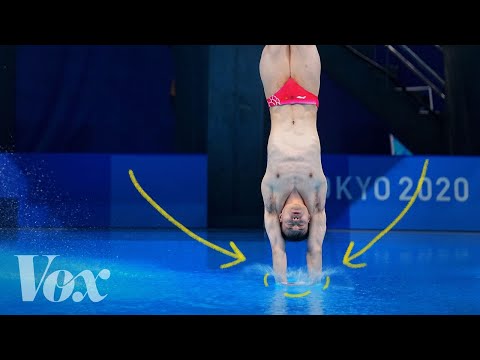
- As they approach the water, athletes extend their body into a needlelike line, with their toes pointed, knees locked, abs tight, arms up and hyperextended over their heads, elbows pressing tight into their ears, and — most importantly — their hands in this position.
在跳水選手接觸到水面時,他們會將身體如一根針一般地打直、腳趾伸直、閉緊膝蓋、收緊腹肌、伸直手臂,並拉伸他們的頭頸部,將手肘緊貼著耳朵,還有最重要的:把手放在指定位置上。