commiserate
US /kəˈmɪzəˌret/
・UK /kə'mɪzəreɪt/
A1 初級多益
v.i.不及物動詞憐憫 ; 同情
影片字幕
如何將焦慮重新連接成真實感 | Jesse Eisenberg for Big Think+ (How to rewire your anxiety into authenticity | Jesse Eisenberg for Big Think+)
10:37
- And yet we commiserate about that same fear.
然而,我們卻會因為同樣的恐懼而互相安慰。
多久沒和老朋友敘敘舊了?老朋友能夠帶你重回最初的自己! (Why Old Friends Matter)
04:48
- and used to help each other with assignments and commiserate in the bar about failed dates or maddening parents;
我們會互相幫忙做作業,或在酒吧裡一起抱怨失敗的約會和令人抓狂的父母;
這將是達克-普雷斯科特在牛仔隊的最後一年 - Stephen A. | First Take (This will be Dak Prescott’s final year with the Cowboys – Stephen A. | First Take)
06:52
- We know that he has earned a contract, commiserate with the Carson Wentz, the Jared office of the World and others, and we know that Jerry Jones, to some degree, has offered that.
我們知道,他已經贏得了一份合同,與卡森-溫茨,世界的賈裡德辦公室和其他人一起commiserate,我們知道傑裡-瓊斯,在某種程度上,已經提供了這一點。
我們為逃避愛情所做的一切 (The Lengths We Go To Avoid Love)
06:18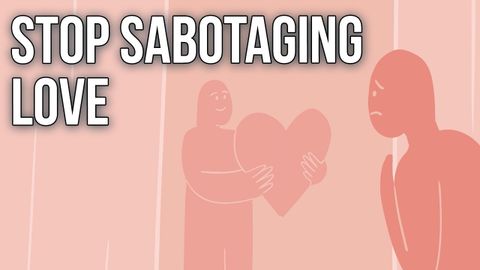
- If we find ourselves in a relationship, we will assiduously practice the arts of what psychologists call distance management. When the chance of reaching a truly happy state appears, we'll subtly discover ways to introduce a chasm. We'll have an argument, spoil a birthday, ruin a holiday. We'll find we have to do a lot of work for an upcoming exam or presentation, that our gang of friends needs us to be somewhere else, that we forgot to return the credit card or tax bill, that our appearance requires a lot of our attention or that we like to flirt with a stranger at a party who suddenly seems very attractive indeed. In both tiny and large ways, we'll know just how to lower the mood, scupper a bond and destroy trust. Perhaps not enough to end a relationship completely, but certainly enough to worry our partner sufficiently as to our solidity that we can be privately sure things will never truly fly. Friends may commiserate with us on our so-called bad luck. Psychologists will note our superlative skill at romantic sabotage. With this to sound a bit like us, compassion is required. We should reflect back on our pasts and wonder at the connection between our fractured bonds with parental figures and our disrupted adult attachments. We aren't like this because we're wicked, we've just been very badly hurt. Once we understand how our skill at independence was acquired, we'll be in a better position to see that it has in reality outlived its rationale. We may still feel immensely apprehensive at the prospect of contentment, but we may finally be able to admit that we are, first and foremost, acting out of fear. Rather than dismissing our partners, we may stick closer to a much more awkward truth – that we're tempted to draw away from them because we're immensely scared that they might finally be in a position to make us very happy – and that simply nothing so unutterably and boundlessly frightening has ever happened to us before.
如果我們發現自己處於一段關係中,我們就會孜孜不倦地練習心理學家所說的距離管理藝術。當達到真正幸福狀態的機會出現時,我們會巧妙地發現引入鴻溝的方法。我們會發生爭執,破壞生日,毀掉節日。我們會發現我們必須為即將到來的考試或演講做大量的工作,我們的一幫朋友需要我們去別的地方,我們忘了歸還信用卡或稅單,我們的外表需要我們大量的關注,或者我們喜歡在聚會上與一個陌生人調情,而這個陌生人突然看起來確實非常有吸引力。不管是小事還是大事,我們都知道如何降低情緒、破壞關係、摧毀信任。也許還不足以徹底結束一段關係,但肯定足以讓