請輸入想查詢的單字或片語
    Footer
    Download on the App StoreGet it on Google Play

    關於

    • 認識 VoiceTube
    • 學習服務介紹
    • 加入我們
    • 常見問題
    • 熱門搜尋主題
    • 企業英文培訓
    • 社群推廣分潤計畫

    服務總覽

    • 口說挑戰
    • 單字單句本
    • Hero 智能學習
    • Tutor 真人家教
    • Vclass 名師課程
    • Campus 教育版
    • 字典查詢
    • 匯入影片並生成字幕
    • 部落格

    精選頻道

    影片分級

    • A1 初級
    • A2 初級
    • B1 中級
    • B2 中高級
    • C1 高級
    • C2 高級

    隱私權˙條款˙
    ©2026 VoiceTube Corporation. All rights reserved

    nationalization

    US

    ・

    UK

    A2 初級
    n. (u.)不可數名詞國有化
    The nationalization of some privately owned energy companies was very popular

    影片字幕

    日本鐵路獲勝的原因 (Why Japanese Railways Win)

    20:51日本鐵路獲勝的原因 (Why Japanese Railways Win)
    • Parts of the development around the station, like this and this, are all owned and developed by Tokyo Corporation. This approach, to leverage real estate around stations to invest in retail and hospitality, was likely born from some necessity, and not just ingenuity, thanks to the country's Railroad Nationalization Act, which nationalized 17 of the country's 37 private railways from 1906 to 1907, when it was enacted. Part of its limitations restricted private railways from directly competing with government lines, so the private operators pivoted and looked to real estate and diversified assets in order to create revenue when building new rails. But it turns out that that technique worked tremendously well—so much so that the JRs adopted it following privatization in 1987. This happened all over the country—it happened with JR Kyushu, which quickly launched a fast food division, retail operations, and a country club. It happened here, with JR East, which owns the Gala-Yuzawa ski resort, as well as the train line that services it, dropping riders into a station that's part of the resort's main building. And it happened here, where these are just one chain of hotels that JR West owns across its network. All around the country, the JR companies have been able to find plenty of opportunities to capitalize on the real estate long owned by the railroad, but long ignored. In the case of JR West, for example, about 20% of their revenue now comes from the real estate business, allowing for diversified income streams in a traditionally concentrated sector. Japan's railways have a recipe for success—the structural reforms created companies capable of turning a profit, the real estate businesses made that profit diversified, and the network these companies inherited was such that they could run fast, frequent, reliable service at an affordable cost. But it didn't turn out to be a one-size-fits-all solution. JR Kyushu listed on the Tokyo Stock Exchange in 2016, becoming the first of the island JRs to do so, but JR Shikoku and Hokkaido still lag far behind. JR Hokkaido struggles most—subsidies account for almost half of its revenue. The population of the region is declining and ridership is decreasing as people opt for cars. As a result, train frequency is going down, creating a vicious cycle. At one point in 2019, JR Hokkaido enlisted Tokyo Corporation, with obvious interest to develop rail in the region thanks to their ski industry investments, to partner on increasing service and adding a luxury train service to the island, but so far it's only manifested in a sporadic sightseeing operation.

      車站周邊的部分開發項目,如這裡和這裡,都歸東京公司所有並由其開發。從 1906 年到 1907 年,日本頒佈了《鐵路國有化法》,將全國 37 條私營鐵路中的 17 條收歸國有。該法案的部分限制性規定,私營鐵路不得與政府鐵路線直接競爭,是以私營運營商在建設新鐵路時,轉而尋求房地產和多元化資產,以創造收入。但事實證明,這種方法非常有效,以至於日本鐵路公司在 1987 年私有化後也採用了這種方法。這種情況在全國各地都有發生--JR九州也是如此,它迅速推出了快餐部門、零售業務和鄉村俱樂部。在這裡,JR 東日本擁有

    B1 中級

    太空中的資料中心!與 Matt Tower 關於國際教育未來的想法! (Data Centers in Space! Thoughts on the Future of International Education with Matt Tower)

    20:40太空中的資料中心!與 Matt Tower 關於國際教育未來的想法! (Data Centers in Space! Thoughts on the Future of International Education with Matt Tower)
    • Now we're seeing a lot more nationalization, which makes me think like there probably are some great opportunities at least in regional geographies and learning how regional supply chains work and regional jobs work than there perhaps ever been.

      這讓我想,至少在區域地理和了解區域供應鏈及區域工作機會方面,可能比以往任何時候都有更多絕佳的機會。

    B1 中級

    Z世代為何找工作困難重重?| BBC Newscast (Why are Gen Z struggling to get into work? | BBC Newscast)

    38:55Z世代為何找工作困難重重?| BBC Newscast (Why are Gen Z struggling to get into work? | BBC Newscast)
    • We don't see them as often clearly setting out their policies and their policies, some of which I'm sure are very popular in terms of nationalization, in terms of collective ownership, partly because all the headlines again and again and again seems to be about internal battles in this strange conference in Liverpool.

      我們不太常看到他們清楚地闡述他們的政策,其中一些政策,我相信在國有化、集體所有權方面非常受歡迎,部分原因是報紙頭條不斷重複報導的是在利物浦這個奇怪的會議上的內部鬥爭。

    B1 中級

    企業如何駕馭政治風險?| FT商業週刊 (How can companies navigate political risk? | FT Business)

    05:25企業如何駕馭政治風險?| FT商業週刊 (How can companies navigate political risk? | FT Business)
    • Historically, it was kind of core issues about revolution, nationalization, seizure of assets,

      以前,它的主軸是關於革命、國有化、財產徵收,

    B1 中級

    委內瑞拉馬杜羅的罪名是什麼? | BBC Newscast (What are the charges against Venezuela's Nicolás Maduro? | BBC Newscast)

    32:12委內瑞拉馬杜羅的罪名是什麼? | BBC Newscast (What are the charges against Venezuela's Nicolás Maduro? | BBC Newscast)
    • So this nationalization happened 50 years ago.

      所以這次國有化發生在 50 年前。

    B1 中級

    冠狀病毒危機是一個重新思考世界的機會嗎?| 英國廣播公司思想 (Is the coronavirus crisis a chance to rethink the world? | BBC Ideas)

    03:05冠狀病毒危機是一個重新思考世界的機會嗎?| 英國廣播公司思想 (Is the coronavirus crisis a chance to rethink the world? | BBC Ideas)
    • As well as the launch of free universal healthcare in the UK, the post-war period saw the adoption of other radical ideas that were "lying around" at the time, including the rapid nationalization of industry and the creation of the modern welfare state.

      除了在英國推出免費的全民醫療服務外,戰後時期還採用了當時的其他激進思想,包括工業迅速的國有化和現代福祉的創立。
    B1 中級

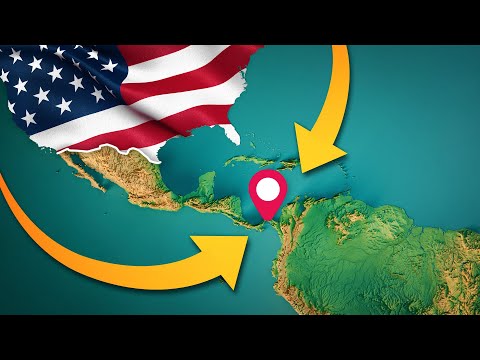
    Why Trump Wants to Retake the Panama Canal Again

    37:30Why Trump Wants to Retake the Panama Canal Again
    • Under this nationalization scenario, Panama would need substantial support from the United States to even consider it, because China would almost certainly be incredibly outraged, while other companies would be worried about the precedent set that Panama could suddenly nationalize their own assets as well.
    B1 中級