casual
US /ˈkæʒuəl/
・UK /ˈkæʒuəl/
A2 初級英檢中級
adj.形容詞隨便的;漫不經心的
It was your casual tone when you made those remarks that made her so upset
adj.形容詞不拘禮節的;非正式的
There is no dress code for tonight's party so you can just wear your casual clothes
adj.形容詞臨時的;不定期的
The couple have decided that they will just date on a casual basis
adj.形容詞隨便的;非正式的
We had a casual conversation about the movie
adj.形容詞偶然的;碰巧的
It was just a casual meeting; we didn't discuss anything important.
n. (c.)可數名詞臨時工
The company hires casual workers during the peak season.
n. (c.)可數名詞非正式的音樂工作
He plays casuals at the local bar on weekends.
n. (c.)可數名詞隨意的觀察者
To the casual observer, it seemed like a normal day.
影片字幕
字詞如何傷人:哲學快講 #28 (How Words Can Harm: Crash Course Philosophy #28)
- It has descriptive content, in that it's used to refer to women who have casual sex.
它有描述性的內容,因為它被用來指稱有隨意性行為的女性。
- The attitudes that are baked into this word attitudes specifically about women and sexuality are so potent that it's even used to describe women who don't have casual sex.
這個詞所蘊含的態度,特別是關於女性和性行為的態度,是如此強烈,以至於它甚至被用來形容那些沒有隨意性行為的女性。
戒掉中式英文!學會外國人真正的說話方式,讓你的英語更道地(If you want to sound like a native English speaker, stop saying phrases like this)
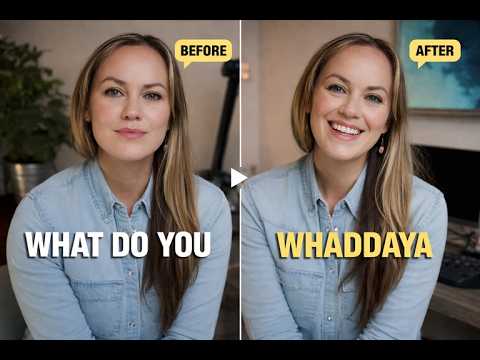
- Same with "would have," "would have," or "woulda." They're both fine and mean the same thing, just "woulda" is a little more casual, a little bit, hmm, more contracted than "would have." So if you want to sound a little more professional, I would recommend "would have" and not "woulda," but it's a very slight variation.
「你能稍後回電給我嗎?」
- You're not going to get in trouble for saying "woulda," but if you do want to sound professional, I recommend "would have" or "would have." But if you want to sound natural, native-like, casual, comfortable in English, "woulda" is just fine.
再次強調,結合 "could" 和 "you","Couldja",「你能稍後回電給我嗎?」
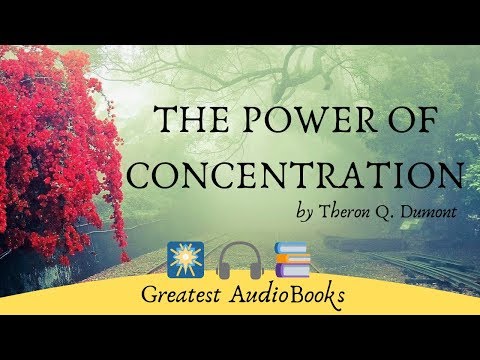
法國尼斯市中心 🇫🇷✨ (Nice, France downtown)
- game has been played for several thousand years and you can see why - it's a casual
的友誼賽,是社交和尋找樂子的機會。
- It's a casual, friendly game.
largest collection of the artist's works. France is a wine country. There's no question
英文單字:如何用英文聊開車! (English Vocabulary: How To Talk About Driving In English)

- The app has 40+ real-life topics and 1,600+ lessons that range from business topics like everyday office conversations, job interviews, business travel, sales meetings, to casual, everyday topics like movies, food and drink, education, and
是以,我們可以說,要想超車或超越汽車,就應該在雙車道道路上等待一個安全的機會,超越前方的汽車。
- The app has 40+ real-life topics and 1,600+ lessons that range from business topics like everyday office conversations, job interviews, business travel, sales meetings, to casual, everyday topics like movies, food and drink, education, and
是以,我們可以說,要想超車或超越汽車,就應該在雙車道道路上等待一個安全的機會,超越前方的汽車。
「戰警」崛起!揭開真相的關鍵人物 Radley Balko 獨家現身! (Rise of the "Warrior Cop" (with Radley Balko))
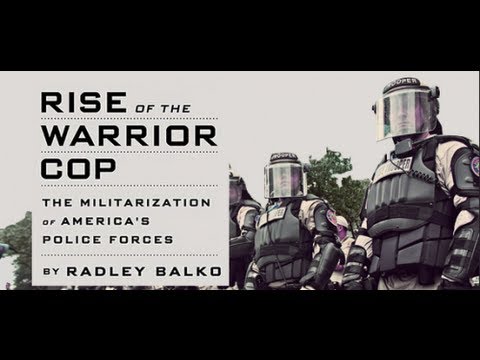
- I mean it's telling that right if you remember right after the September 11th attacks the following February during the Super Bowl the White House the Office of National Drug Control Policy aired these commercials that basically attempted to tie casual drug use to terrorism.
我剛剛為我們概述了另一場毒品戰爭是如何演變的
- I mean it's telling that right if you remember right after the September 11th attacks the following February during the Super Bowl the White House the Office of National Drug Control Policy aired these commercials that basically attempted to tie casual drug use to terrorism.
我剛剛為我們概述了另一場毒品戰爭是如何演變的
紳士們不復存在了嗎?為什麼現在大多數人都不再戴帽子了? (Why Have Most People Stopped Wearing Hats?)

- Throughout the 20th century particularly after World War II there was an important shift towards more casual and relaxed dress.
在整個 20 世紀,尤其是第二次世界大戰之後,人們的著裝發生了重大轉變,變得更加休閒和輕鬆。
- Throughout the 20th century, particularly after World War II, there was an important shift towards more casual and relaxed dress.
20 世紀 60 年代,光頭開始與現代性聯繫在一起。
日常對話必學!超實用英文片語,讓你詞彙量大爆發! (Common English Phrases for Conversation. Improve Your Vocabulary)
- This is a very casual phrase and native speakers use it in conversations very often, but please, never use it in writing, because it's informal.
這是一個非常隨意的短語,以英語為母語的人在對話中經常使用,但請注意
- This is a very casual phrase,
這是一個非常口語化的片語,
想被人喜歡?先戒掉這6種討人厭的行為吧!(6 Behaviors That Make People Dislike You)

- To avoid this, try to maintain a clear separation between how you write your formal emails and your casual emails while keeping in mind that adding smiling emojis will not have any real impact on how warm you seem.
當比較涉及倫理與道德時,這種效果會更強烈,
- To avoid this, try to maintain a clear separation between how you write your formal emails and your casual emails while keeping in mind that adding smiling emojis will not have any real impact on how warm you seem.
當比較涉及倫理與道德時,這種效果會更強烈,
現代離婚率那麼高,約會有什麼意義? (What Is The Point In Dating?)

- Casual Sex For another category of individuals, the point of dating is no more than to fulfill their sexual desires.
這在約會場景中創造了一種亞型關係,俗稱 "有好處的朋友 "或 "勾搭文化"。
- Casual Sex For another category of individuals, the point of dating is no more than to fulfill their sexual desires.
這在約會場景中創造了一種亞型關係,俗稱 "有好處的朋友 "或 "勾搭文化"。