abnegation
US
・UK
A1 初級
n. (u.)不可數名詞放棄 ; 自製 ; 自我犧牲
影片字幕
失去自我認同的危險!你會是以迷失方向嗎? (The Dangers of Missing a Sense of Self)
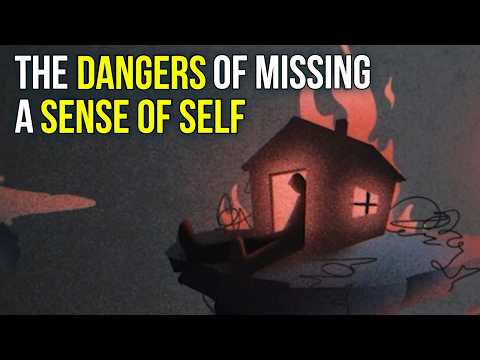
- I supposed to like? Not what do I approve of, but what is it good to approve of? Not what do I find funny, but when should I laugh? When we watch them carefully, we may notice rapid almost arbitrary shifts in their views. They love this artist or jacket or political opinion, but in fact no, they prefer another one and then another. They are implicitly constantly calling out to a world which puzzles and terrifies them. Who should I be? What is it right to think? These poor souls tend to be the products of very particular sorts of childhood. When little, they will have faced environments in which their uniqueness was never a matter of concern to their self-absorbed caregivers. Mother or father were never able to push their needs aside for a time to drop to their level and ask, who is this extraordinary new member of the human race whom I have helped to create? What are their particular inclinations and loves and hates? What do they have to tell me? They were far too perturbed and fragile for such self-abnegation. They couldn't attune to the child and so the child could not, in turn, attune to themselves. For we can only find out what we think if, in the early days, someone was sufficiently patient to facilitate our own process of self-discovery, if someone didn't shout over us and say, don't be ridiculous when we ventured forth an opinion, or didn't use all the resources of adulthood to insist that their way was the only way. The self-less child will have had to cope with an egotist who simply coerced them to follow an already predetermined agenda. These are the books you need to think are amazing. The only way to be a good boy or girl is to win at this kind of sport or that school subject and later to be a banker or a vet and so on, all without in any way bothering to check in on how this might have felt to the small person biologically programmed to adore and revere them. From this was drawn a moral. Survival depends on compliance. The price of existing is the sacrifice of one's real identity. Self-less people can be deeply charming. Their manner can be exquisitely polite and mellifluous. They are built to work out what we like and to reflect it back to us. They aren't merely pretending to go along with what we think for a few minutes. They genuinely seek out our worldview and lose themselves in it. But these people also pose grave dangers. For no one forgoes their sense of self without storing up a significant degree of rage and dissatisfaction. Yet this can never emerge cleanly because the candid expression of their needs was never something that these selfless people were allowed to practice. The first we're liable to learn about a problem they have with us is when it's become unmanageable. We can be most at risk if we fall in love with these elusive, beguiling, shapeshifting people. At first, it's our tastes they want to understand. It's the books and places and foods we like that seem especially interesting to them. We can allow ourselves a dangerous moment of self-indulgence. We're made to feel marvellous and aren't suspicious enough to wonder why.
我應該喜歡什麼?不是我贊成什麼,而是贊成什麼有好處?不是我覺得什麼好笑,而是我什麼時候該笑?當我們仔細觀察他們的時候,我們會發現他們的觀點幾乎是任意快速轉變的。他們喜歡這個藝術家或外套或政治觀點,但事實上不是,他們更喜歡另一個,然後是另一個。他們含蓄地不斷向這個令他們困惑和恐懼的世界發出呼喚。我應該是誰?怎樣思考才是正確的?這些可憐的靈魂往往是特殊童年的產物。小時候,他們所處的環境中,他們的獨特性從來都不是自以為是的照顧者所關心的問題。父親或母親永遠無法暫時把自己的需求放在一邊,站在他們的角度問一問:我幫
- What do they have to tell me?" They were far too perturbed and fragile for such self-abnegation.